Comprehensive Guide to Trading Platforms for Forex 1637027625
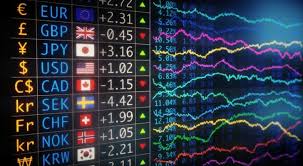
Comprehensive Guide to Trading Platforms for Forex
In the fast-paced world of foreign exchange trading, having the right trading platform can make a significant difference to your success. A trading platform is a software application that enables traders to access the foreign exchange market, place trades, analyze market conditions, and manage their trading accounts. This article will delve into the different types of trading platforms available for Forex traders and provide insights into how to choose the best one for your needs. For further insights, visit trading platforms for forex https://seed2019.io/.
Understanding Forex Trading Platforms
Forex trading platforms can be broadly divided into two categories: proprietary platforms and third-party platforms. Proprietary platforms are developed by brokers and typically feature custom interfaces tailored to their specific services. Third-party platforms, on the other hand, are developed independently and are used by multiple brokerage firms.
Popular Forex Trading Platforms
Among the vast array of trading platforms available, several have gained prominence over the years due to their features, user-friendliness, and reliability.
1. MetaTrader 4 (MT4)
MetaTrader 4 is arguably the most popular trading platform among Forex traders. Launched in 2005, it offers a wide range of tools for both novice and experienced traders. MT4 features include:
- User-friendly interface
- Advanced charting capabilities
- Technical analysis tools
- Automated trading capabilities via Expert Advisors (EAs)
- A vast community of users and third-party developers
2. MetaTrader 5 (MT5)
MetaTrader 5 is the successor of MT4 and is integrated with additional features aimed at enhancing trading efficiency. Key features include:
- Supports more order types and timeframes
- Advanced fundamental analysis tools
- Multi-asset support, allowing trading in different markets including stocks and commodities
- Enhanced security measures
3. cTrader
cTrader is another popular platform that primarily caters to Forex and CFD traders. Its interface is intuitively designed, making it easy to use. Key advantages include:
- Speed and reliability
- Advanced charting features and technical indicators
- Social trading capabilities
- Level II pricing and advanced order types
Choosing the Right Trading Platform
When selecting a trading platform, traders should consider several factors to ensure their choice aligns with their trading style and strategy:
1. Trading Style
Your trading style (scalping, day trading, swing trading, or long-term investing) will influence the features you need in a trading platform. For example, scalpers require platforms with minimal latency, while swing traders may prioritize advanced analytical tools.

2. User Interface
A user-friendly interface can significantly enhance the trading experience. Ensure that the platform is intuitive and easy to navigate, especially if you are a beginner.
3. Customer Support
Reliable customer support is essential when issues arise. Check to see if the broker provides support via multiple channels (email, phone, live chat) and assess their responsiveness.
4. Fees and Commissions
Different platforms have varying fee structures, including spreads, commissions, and withdrawal fees. Understanding these costs will help you choose a platform that is economically viable for your trading strategy.
5. Security Features
Security should never be compromised. Ensure that the trading platform employs advanced security measures, such as encryption and two-factor authentication, to protect your personal and financial information.
The Future of Forex Trading Platforms
As technology continues to evolve, we can expect significant advancements in trading platforms for Forex. Here are some trends to watch out for:
1. Artificial Intelligence (AI) Integration
AI is poised to revolutionize Forex trading platforms by providing predictive analytics and tailored recommendations based on user behavior and market trends.
2. Mobile Trading
With an increasing number of traders using mobile devices, trading platforms are optimizing their mobile applications for seamless trading on the go.
3. Cryptocurrency Trading
Many Forex trading platforms are expanding their offerings to include cryptocurrency trading, allowing traders to diversify their portfolios.
Conclusion
Choosing the right trading platform is crucial for success in Forex trading. With a variety of platforms available, traders should carefully consider their specific needs and preferences before making a selection. The right platform not only enhances your trading experience but can also improve your chances of success in the competitive world of Forex. Whether you opt for MT4, MT5, cTrader, or another platform, ensure that it aligns with your trading strategy and provides the necessary tools to navigate the vibrant Forex markets.